Resource
Calm Corner Choice Cards
Offer ordinary lower-intensity activities without presenting the area as treatment or punishment. Includes a two-page A4 printable, specific educator guidance, adaptations and a cut-off quick-reference card.
Ready for a real OSHC session
Preview both printable pages
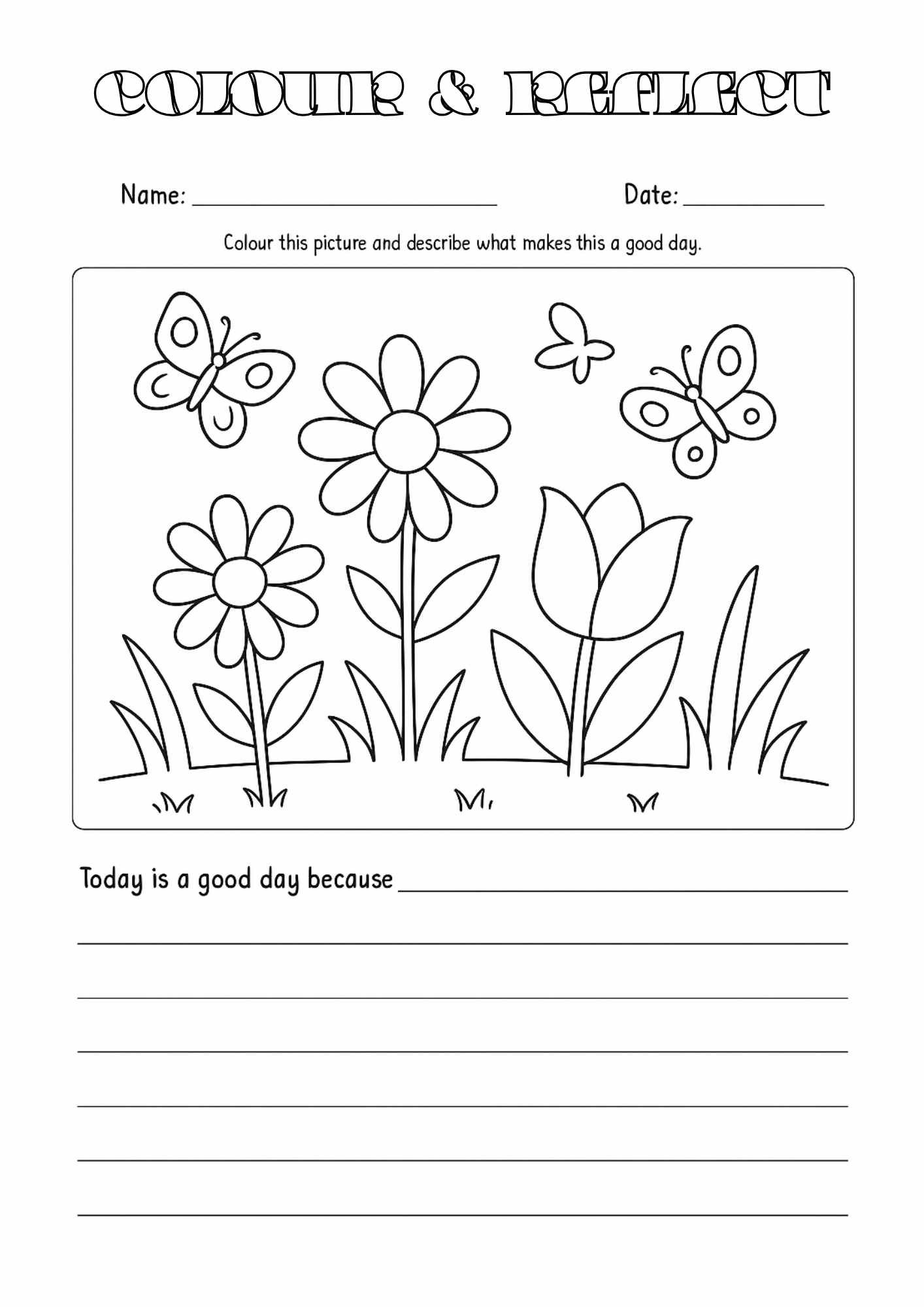
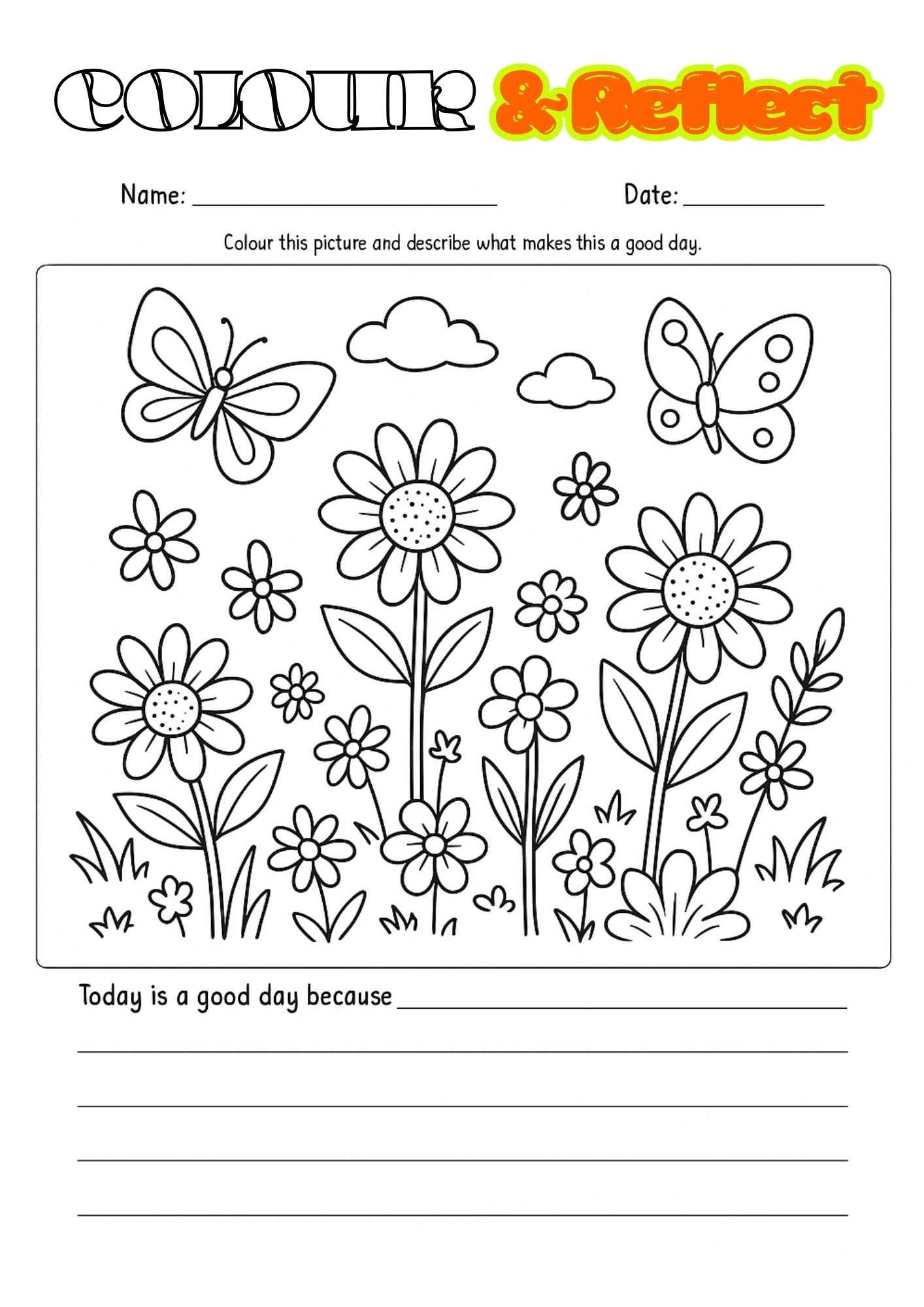
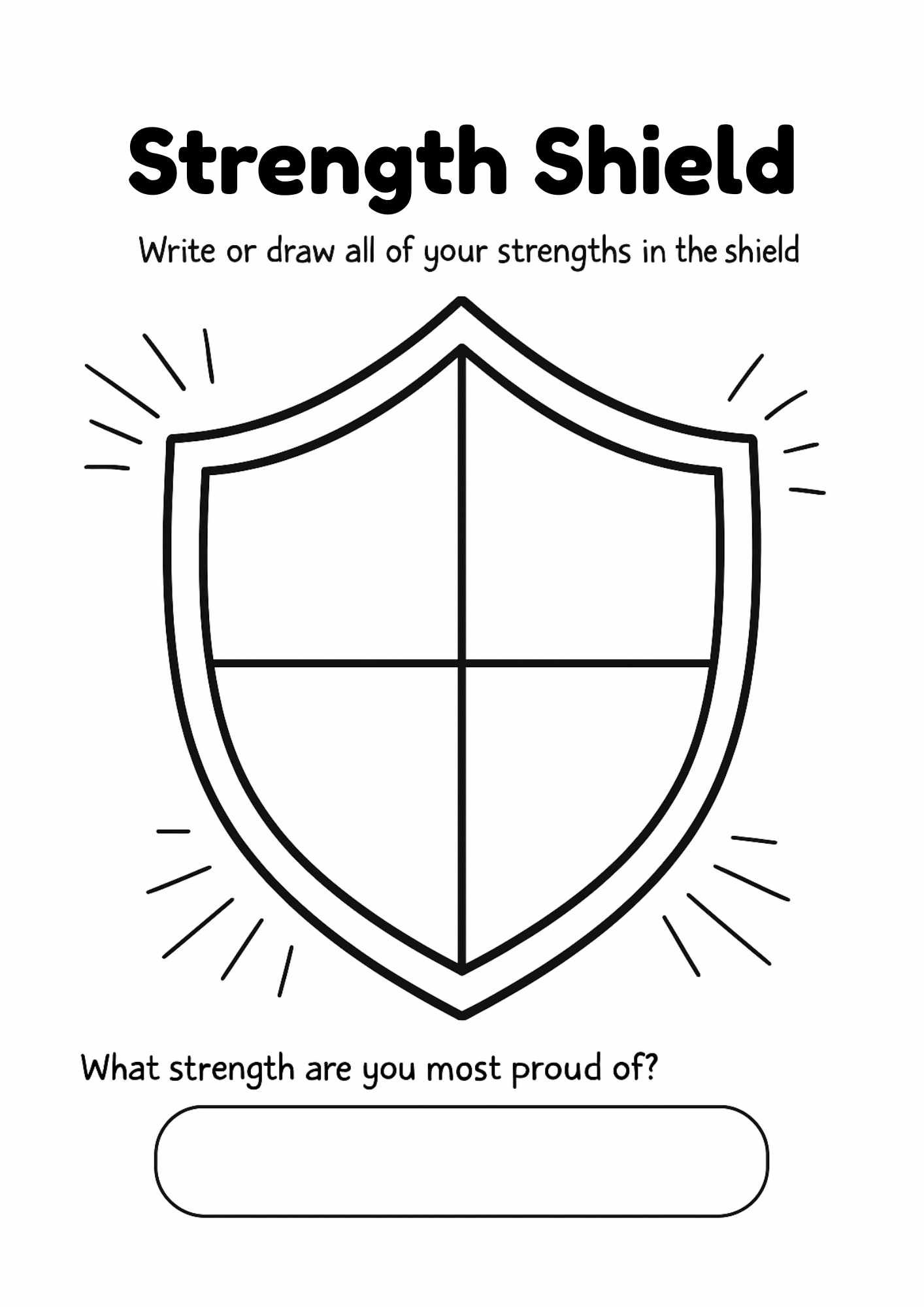
Download 2-page practical printableCheck the preview, printing notes and licence before use.
When this resource is useful
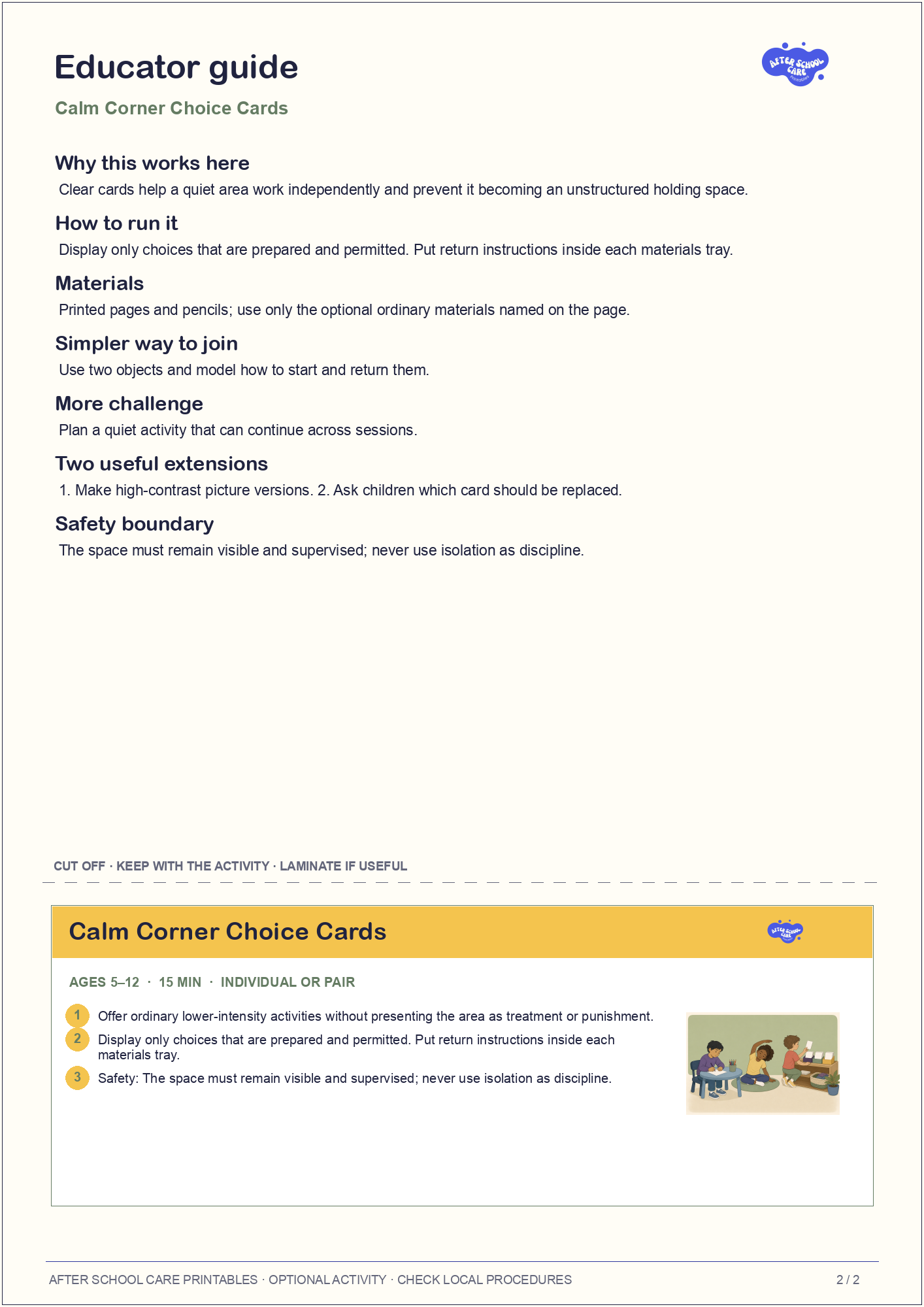
Clear cards help a quiet area work independently and prevent it becoming an unstructured holding space.
What children do
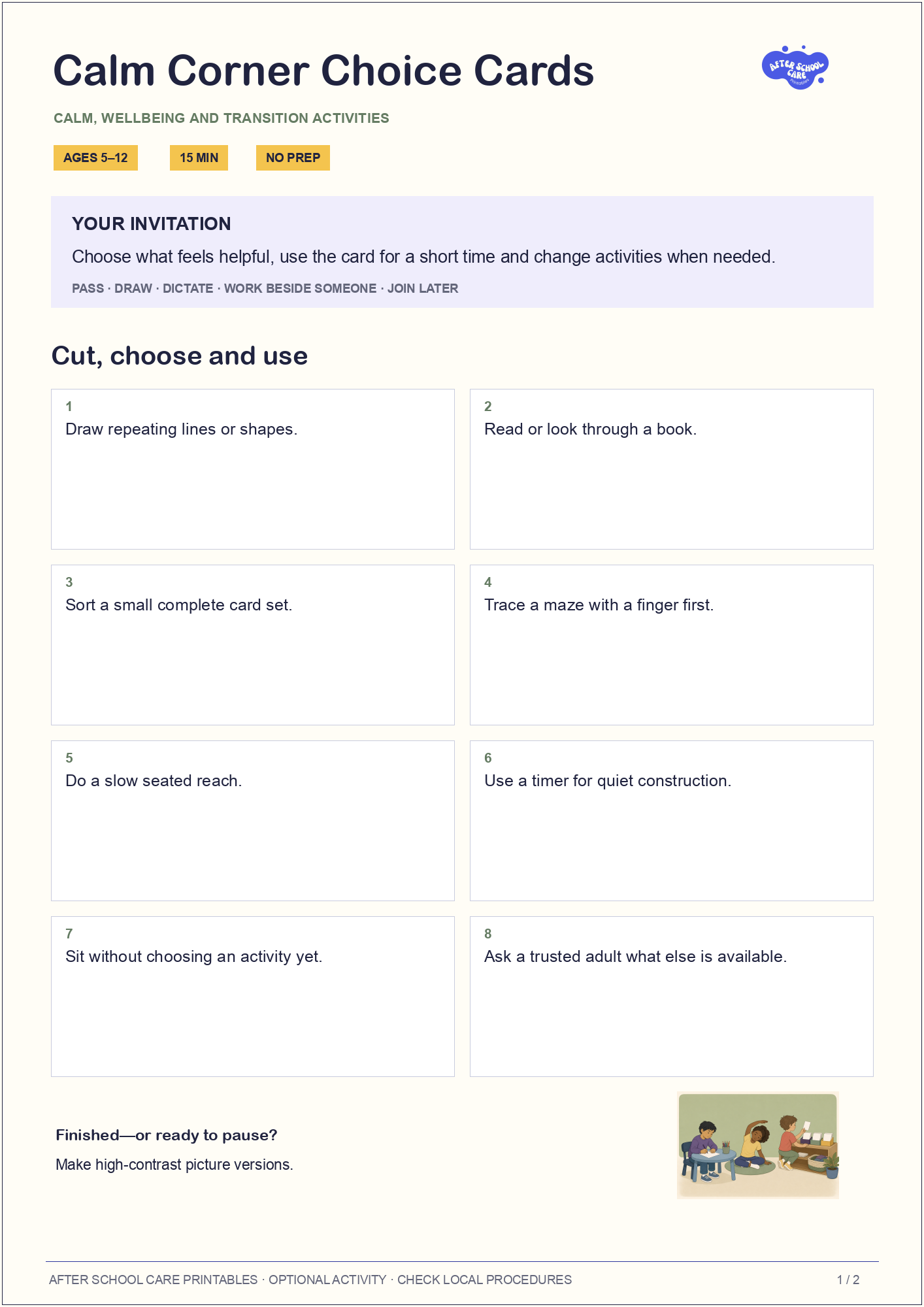
Choose what feels helpful, use the card for a short time and change activities when needed.
Materials and preparation
Materials: Printed pages and pencils; use only the optional ordinary materials named on the page.
Allow about 2 minutes to print and place the resource. The activity itself usually takes 15 minutes and can pause when the group needs to transition.
Run the activity
Display only choices that are prepared and permitted. Put return instructions inside each materials tray.
The child-facing prompts are:
- Draw repeating lines or shapes.
- Read or look through a book.
- Sort a small complete card set.
- Trace a maze with a finger first.
- Do a slow seated reach.
- Use a timer for quiet construction.
- Sit without choosing an activity yet.
- Ask a trusted adult what else is available.
Adapt participation
Simpler way to join: Use two objects and model how to start and return them.
More challenge: Plan a quiet activity that can continue across sessions.
Children may draw, dictate, point, work beside a peer, observe or join later. Start, Explore and Extend labels describe task routes, not children.
Extend the idea
- Make high-contrast picture versions.
- Ask children which card should be replaced.
Safety and privacy
The space must remain visible and supervised; never use isolation as discipline.
Learning opportunities
Look for agency, communication, environmental awareness and help-seeking choices. Record what children choose, explain, test or revise rather than treating completion as proof of learning.
Checking an open-ended response
There is no single required answer. A useful response follows the printed condition and can be explained, demonstrated or revised by the child.
Printing notes
Print at actual size on A4 paper. Page one is child-facing. Page two contains educator guidance and a dashed cut-off reference card that can be kept with the activity or laminated.