The Building Blocks of Creativity
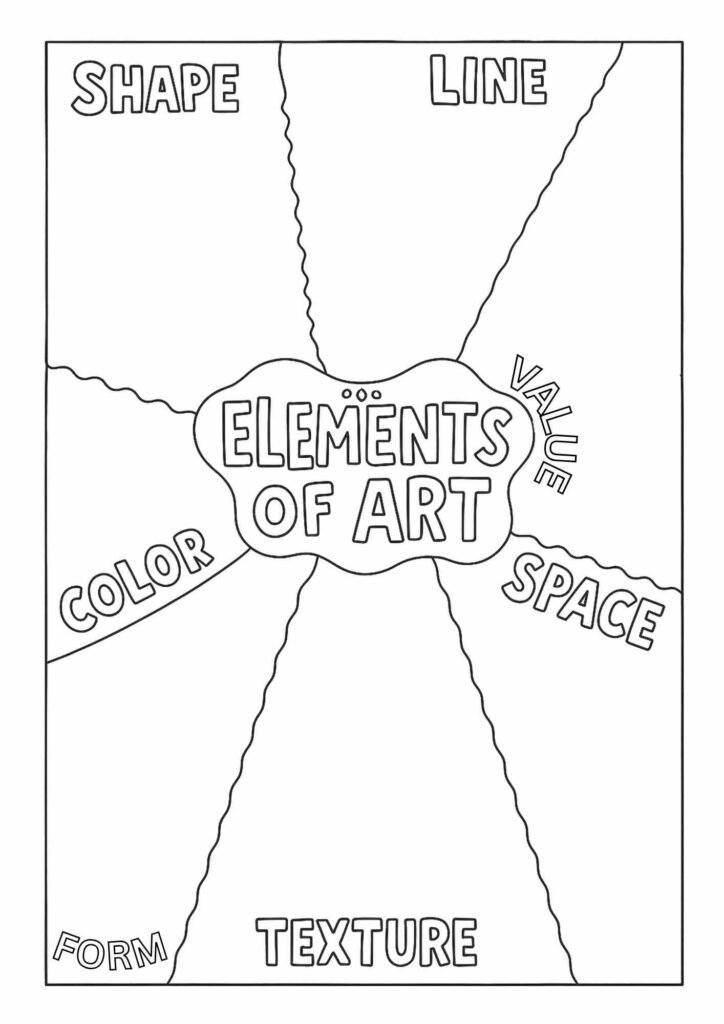
Art is how children make sense of the world — it’s observation, storytelling, and emotion wrapped into colour and form. The Free Elements of Art Worksheet for Kids introduces the seven core building blocks that make every artwork come alive: line, shape, colour, value, space, form, and texture.
This printable is designed to spark curiosity and creativity while giving educators a clear framework for structured art exploration. Children learn that every picture, pattern, and painting they create starts with these simple visual tools — and that learning them opens up endless creative possibilities.
Turn learning goals into ready-to-run sessions
Browse practical printables and lesson-ready resources for OSHC educators and homeschool leaders.
Perfect for OSHC art sessions, after-school programs, and classroom activities, it combines visual learning, fine motor skills, and expressive freedom — all aligned with My Time, Our Place outcomes.
🖍️ How to Use the Worksheet in Your Art Lesson
- Start with a Discussion (5 minutes)
Ask children: What makes art look interesting? Talk about colour, line, shape, and texture. Show examples of artwork (classroom posters, famous paintings, or even their own drawings). - Introduce the Seven Elements (10 minutes)
Go through each one briefly:- Line: How we show movement or direction
- Shape: Flat areas enclosed by lines
- Colour: Warm, cool, and everything in between
- Value: Light and dark tones
- Space: The area around and within things
- Form: 3D shapes, like spheres and cubes
- Texture: How something feels or looks like it feels
- Worksheet Exploration (15–20 minutes)
Hand out the printable and let children experiment. Encourage them to use pencils, crayons, or markers to fill each section, trying different techniques — wavy lines, bold colours, shading, or patterning. - Group Reflection (5–10 minutes)
Have students share what they found most interesting or challenging. Ask: Which element do you use the most when you draw? - Extension Ideas
- Create a “texture collage” using classroom materials.
- Go outside and sketch natural objects, identifying shapes and forms.
- Pair with your “What’s Under the Magnifying Glass” activity to link art with observation and science.
🎯 Learning Outcomes (My Time, Our Place)
| Outcome | Learning Connection |
|---|---|
| Outcome 1 – Identity | Expressing individuality through artistic choices and self-directed design. |
| Outcome 3 – Wellbeing | Art as mindfulness: calm, focus, and emotional expression. |
| Outcome 4 – Learning | Developing creativity, fine motor skills, and conceptual understanding of art elements. |
| Outcome 5 – Communication | Sharing ideas visually and verbally about colour, texture, and design. |
🌈 Why It Works
This printable encourages both creative expression and structured understanding. It helps children see art as a process — not just decoration. By breaking art into approachable concepts, children learn to analyse, describe, and appreciate not only their own creations but also the visual world around them.
It’s an ideal balance of education and expression, and it can be easily extended into longer art units or integrated into cross-curricular lessons on nature, design, or storytelling.
✅ Download the Free Worksheet
👉 Download the Free Elements of Art Worksheet for Kids
Print, discuss, and create! Let your group experiment with line, colour, and form — and watch as their confidence and creativity grow with every stroke.
Turn learning goals into ready-to-run sessions
Browse practical printables and lesson-ready resources for OSHC educators and homeschool leaders.