
Open-Ended Visual Arts Worksheets That Let Students Think
Most art teachers don’t need more finished examples.
They need starting points.
The drawing templates on this page are designed to give students just enough structure to begin — without telling them what the final artwork should look like. Each worksheet introduces a concept, scene, or object, then leaves space for interpretation, decision-making, and personal style.
These resources are used by art teachers in classrooms, relief teachers needing reliable activities, and educators working across mixed abilities.
All worksheets are printable, black and white, and designed to work with basic classroom materials.
What Makes These Templates Useful in Art Lessons
Unlike step-by-step drawing instructions, these templates:
- encourage individual outcomes
- support discussion and reflection
- allow for differentiation without separate worksheets
- work across a wide range of skill levels
They are especially useful when you want students focused on ideas, not copying.
Drawing Templates That Teach Core Art Concepts
These worksheets connect naturally to visual arts vocabulary and foundational ideas.
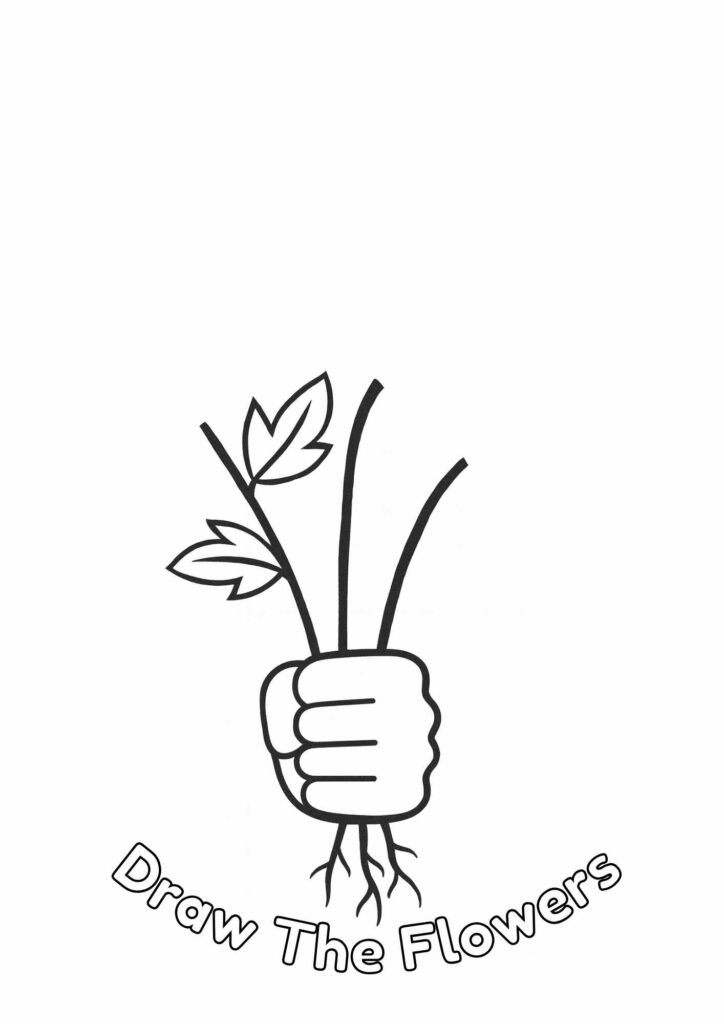
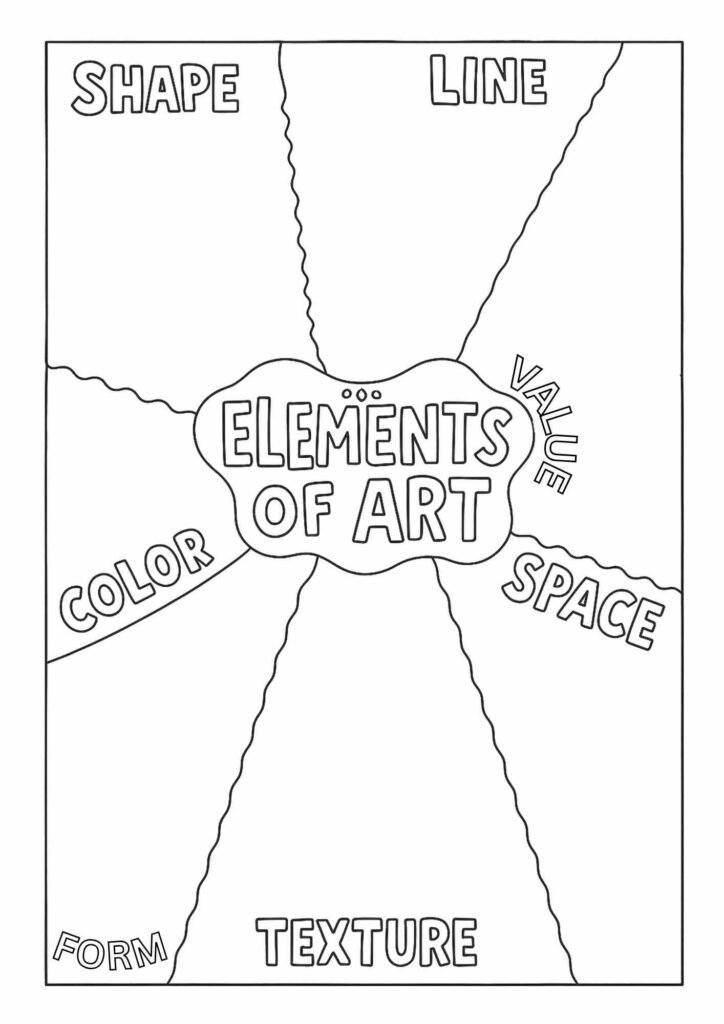
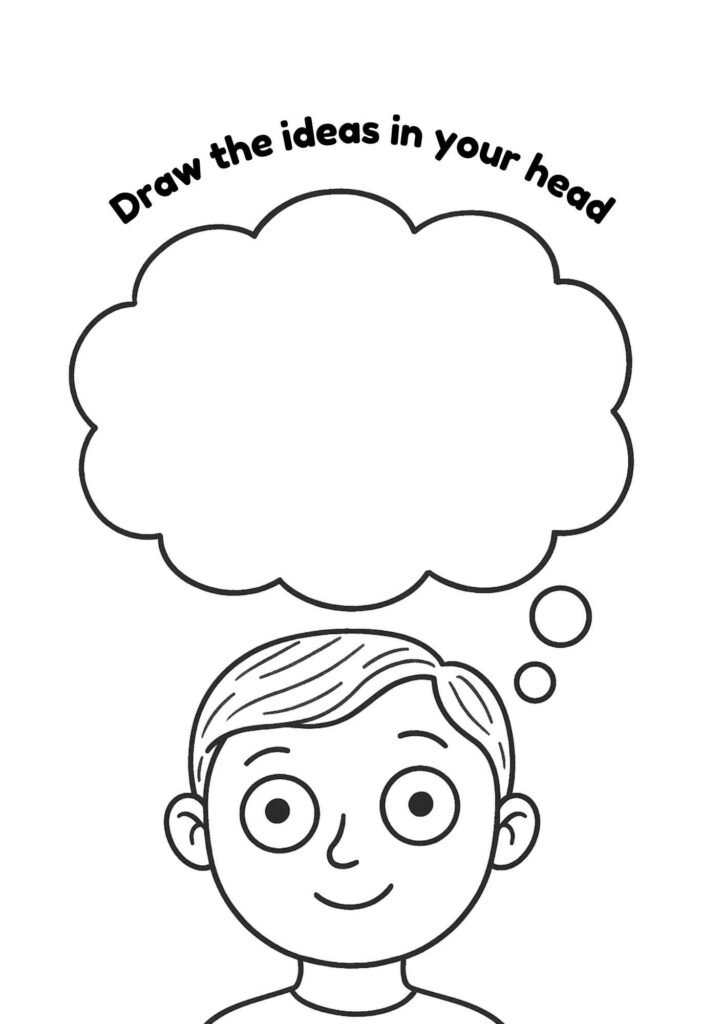
- Elements of art worksheet (line, shape, colour, value, texture, form, space):
https://afterschoolcareprintables.com/printables/free-elements-of-art-worksheet-for-kids-shape-line-color-value-space-form-texture/ - Draw the ideas in your head (conceptual thinking):
https://afterschoolcareprintables.com/printables/draw-the-ideas-in-your-head-worksheet-creative-thinking-activity/ - Draw the flowers (shape, pattern, variation):
https://afterschoolcareprintables.com/printables/draw-the-flowers-worksheet-free-floral-drawing-activity/
These are often used as warm-ups, assessment starters, or reflection pieces rather than finished artworks.
Design & Creation Templates (Student-Led Outcomes)
These activities introduce a clear subject, then step out of the way.
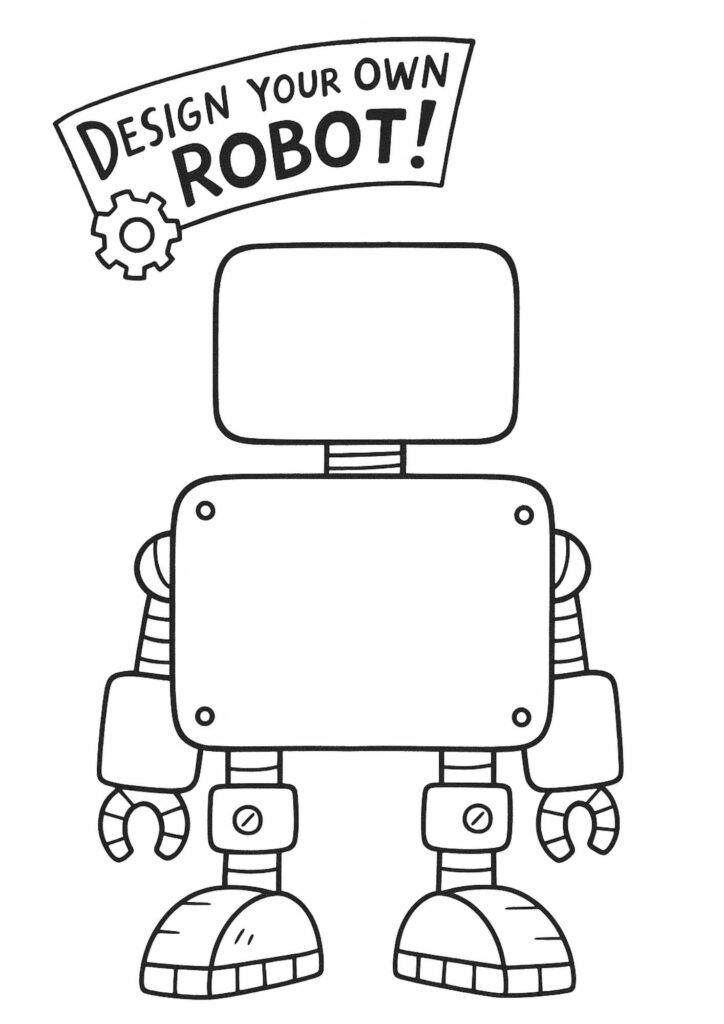
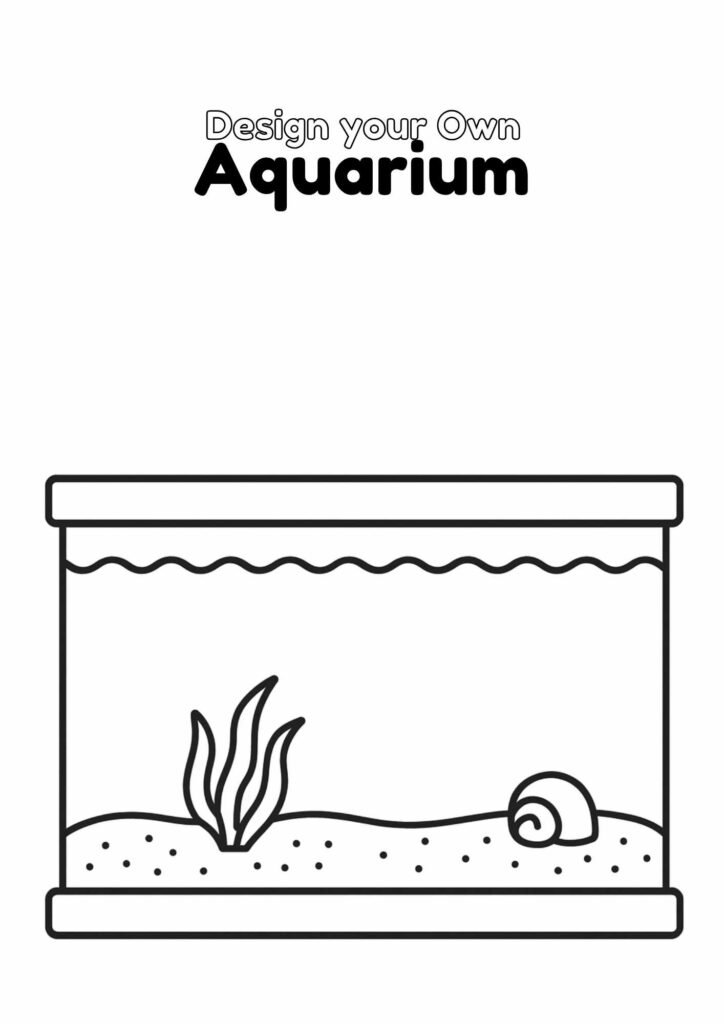
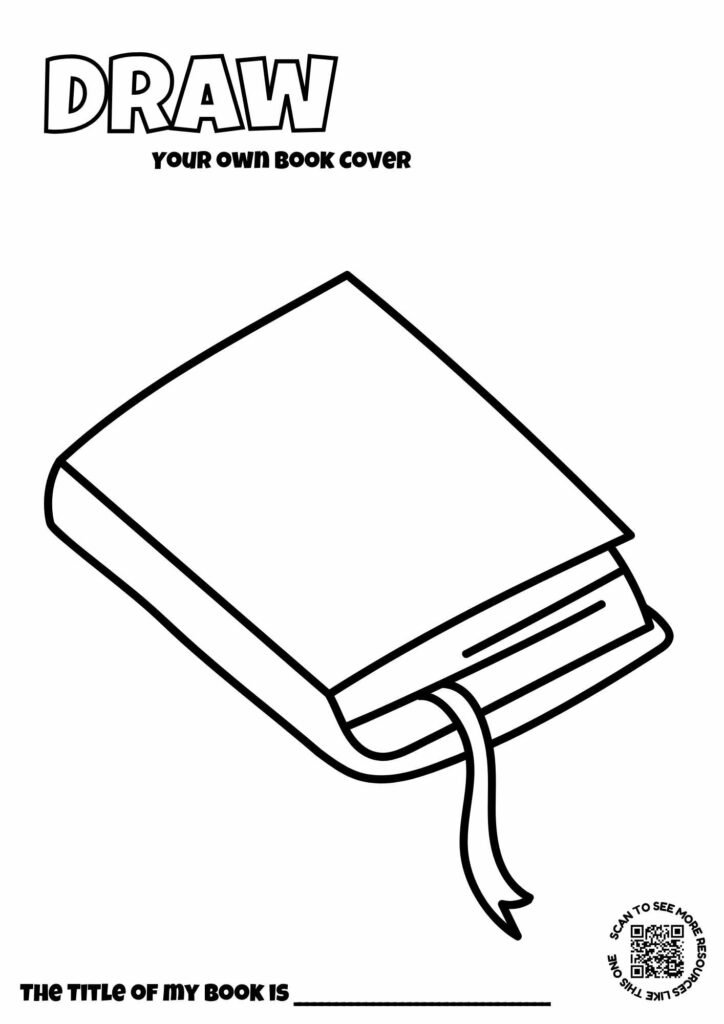
- Design your own robot:
https://afterschoolcareprintables.com/printables/design-your-own-robot-worksheet-creative-robot-drawing-printable/ - Design your own aquarium:
https://afterschoolcareprintables.com/printables/design-your-own-aquarium-creative-drawing-worksheet/ - Draw your own book cover:
https://afterschoolcareprintables.com/printables/draw-your-own-book-cover-printable-worksheet/
These work well for:
- invention tasks
- narrative illustration
- linking visual art with literacy
Students can explain design choices verbally or in writing.
Environment & Scene-Based Drawing Templates
These prompts support composition, spatial thinking, and scene building.
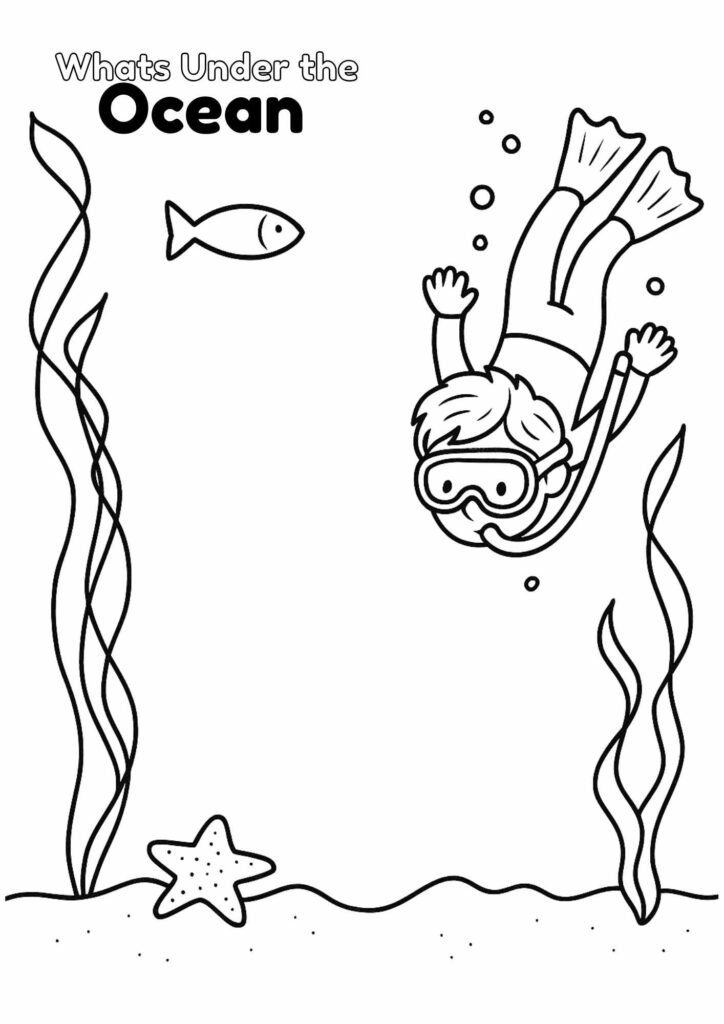
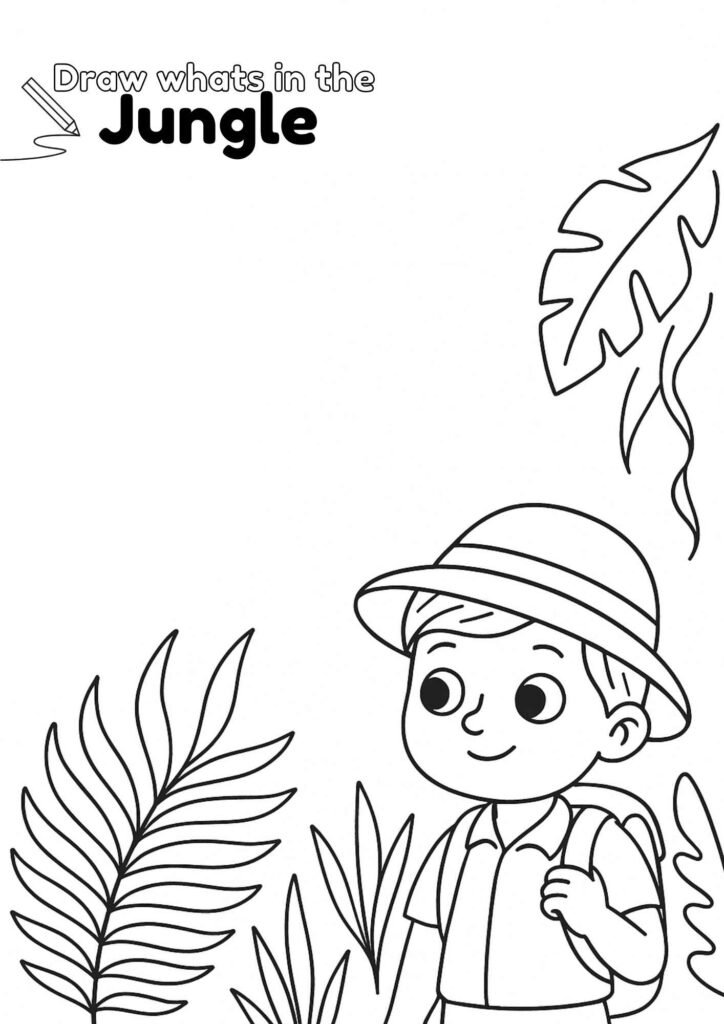
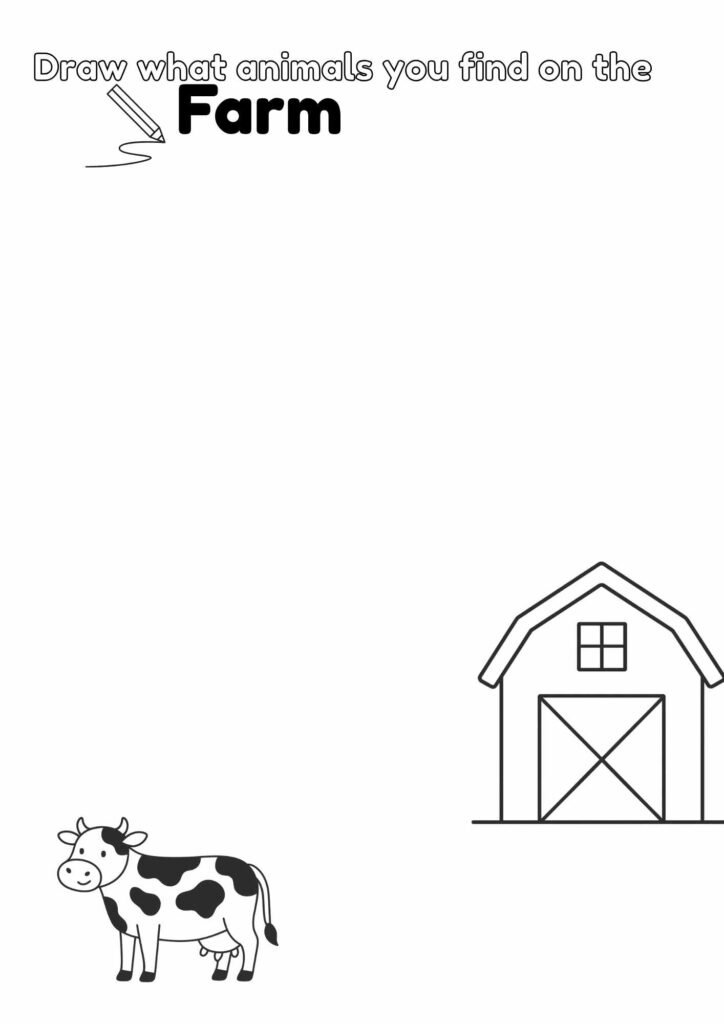
- What’s under the ocean?:
https://afterschoolcareprintables.com/printables/whats-under-the-ocean-worksheet-underwater-drawing-activity/ - What’s in the jungle?:
https://afterschoolcareprintables.com/printables/whats-in-the-jungle-worksheet-jungle-drawing-activity/ - Farm animals drawing worksheet:
https://afterschoolcareprintables.com/printables/farm-animals-drawing-worksheet-what-you-find-on-the-farm/
These are useful for:
- younger classes developing scene awareness
- mixed-ability groups
- linking art with science or humanities topics
Character & Object-Focused Art Templates
These worksheets help students explore proportion, detail, and storytelling.
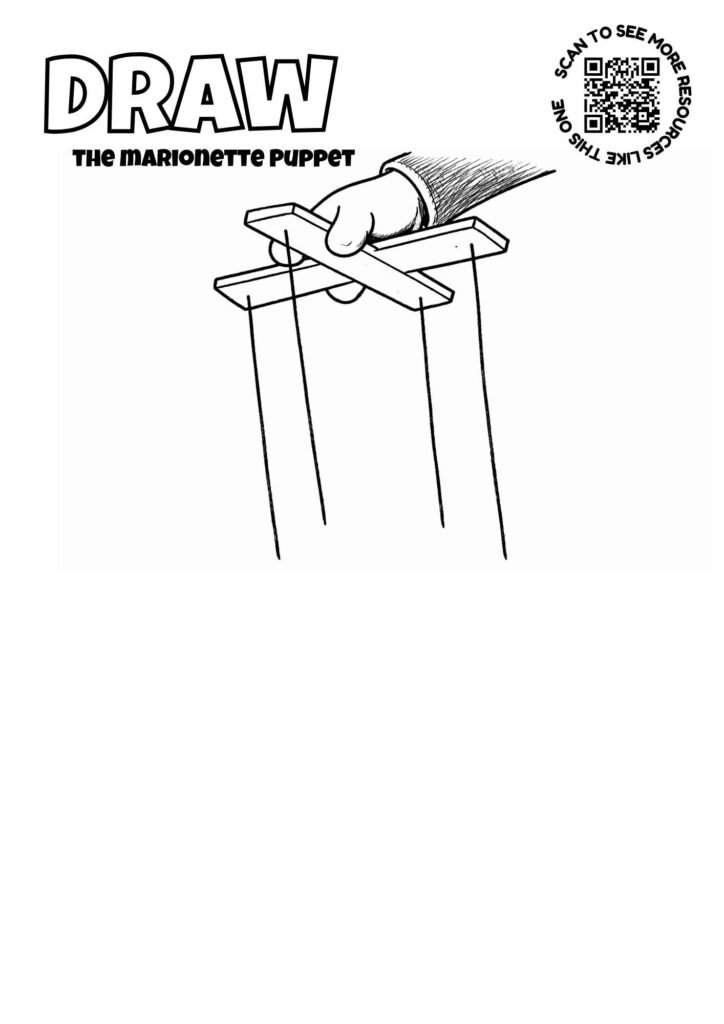
- Draw the marionette puppet:
https://afterschoolcareprintables.com/printables/draw-the-marionette-puppet-creative-art-worksheet-for-kids/
These types of prompts often lead naturally into:
- movement discussions
- emotion in art
- character backstory exploration
How Art Teachers Commonly Use These Templates
Teachers often use these worksheets:
- as lesson starters or fast finishers
- for relief or substitute lessons
- as assessment evidence
- to support students who struggle with open blank pages
They are also effective for encouraging reluctant drawers to begin, because the page is already “started.”
Differentiation Without Extra Planning
One of the strengths of open-ended templates is that differentiation happens naturally.
The same worksheet can be used by:
- early primary students focusing on simple shapes
- older students adding detail, texture, and narrative
- advanced students extending into full compositions
You don’t need multiple versions — students meet the task at their level.
Download and Use in Your Art Program
Each link above goes directly to the printable worksheet.
You can select activities to suit a single lesson, a short unit, or occasional creative sessions throughout the term.
No subscriptions, no required order, and no expectation of identical results.
Related Collections
You may also find these useful:
- Creative drawing activities for kids
- No-prep OSHC activities
- Design and decorate worksheets
(Add internal links as those hubs go live.)
Why This Hub Exists
Art education isn’t about producing matching pictures.
It’s about helping students make decisions, explain ideas, and trust their creative instincts.
These templates exist to support that process — without adding extra work for teachers.
