
Children see the world differently when they’re outdoors — colours are brighter, sounds are layered, and imagination stretches in new directions. The Draw the Photograph – Creative Drawing Worksheet turns that sense of wonder into art. This printable invites kids to imagine what’s happening just outside the frame of a picture, encouraging observation, storytelling, and creative thinking.
But this activity doesn’t have to stay indoors. With a little planning, it becomes a powerful outdoor exploration experience — blending art, environment, and play to meet multiple My Time, Our Place outcomes.
🖼️ What Is “Draw the Photograph”?
The worksheet provides a partially drawn or bordered “photo” area — almost like a snapshot missing key details. Children are asked to complete the image, deciding what exists around or beyond what’s shown. It’s an open-ended drawing challenge that nurtures perspective-taking, imagination, and visual storytelling.
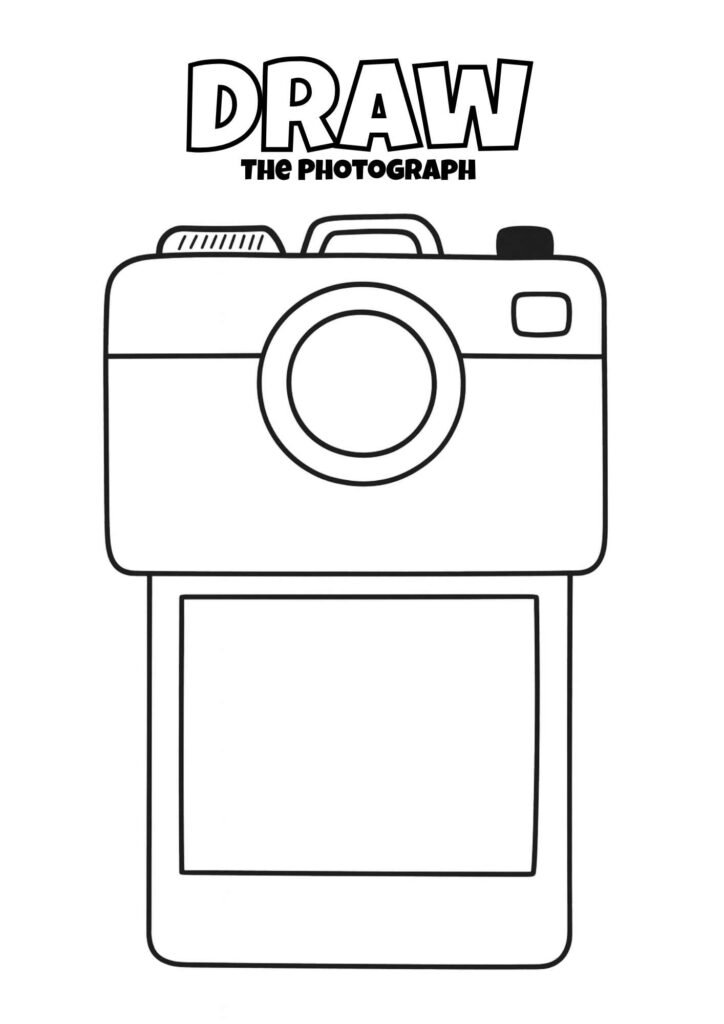
For example, the printable might show part of a park scene. A child might extend it by drawing friends, trees, or a rainbow — others might imagine something entirely fantastical, like a dragon flying above or a picnic happening just outside view.
🌳 Taking It Outdoors – A Creative Extension
To truly deepen the experience, try moving this activity outside. Fresh air, movement, and natural light amplify creativity and give children new sensory input to fuel their ideas.
Here’s how to extend Draw the Photograph into a full outdoor play session:
1. Set Up a “Photo Hunt”
Give each child a clipboard and the worksheet. Invite them to walk around the playground, garden, or park and find a “view” they’d like to imagine as their photograph.
Ask questions like:
- “If this was a photograph, what would be just out of frame?”
- “What story could this picture tell?”
- “What would happen one second later?”
This transforms simple observation into creative narrative thinking.
2. Use Real Cameras or Tablets
If available, let children take an actual photograph of a scene, then use the printable to draw what might be beyond the photo’s edge. This mix of digital media and drawing bridges art and technology — a great fit for Outcome 4 (Confident and involved learners).
3. Sketch from Nature
Find a shady spot and encourage children to add what they hear or feel to their drawings — birdsong, wind, or sunlight patterns. This builds mindfulness and supports Outcome 3 (Children have a strong sense of wellbeing).
4. Create “Before and After” Scenes
Ask children to draw what might have happened before or after the photograph was taken. Maybe the playground was empty before a race began, or maybe the park fills with people as the day goes on. This teaches sequencing, cause and effect, and time awareness.
5. Collaborate in Groups
Turn it into a team art project — each group extends a different “photo” scene, then combines them into a gallery trail around the outdoor area. This fosters communication, collaboration, and a shared sense of achievement (Outcome 2: Children are connected with and contribute to their world).
🌤️ Linking to My Time, Our Place
Outdoor drawing experiences link beautifully to all five MTOP outcomes:
- Outcome 1: Identity – Children express individuality and creative agency through their unique interpretations.
- Outcome 2: Community – Collaboration and group gallery walks strengthen belonging and shared purpose.
- Outcome 3: Wellbeing – Time in nature lowers stress, promotes calm focus, and improves emotional regulation.
- Outcome 4: Learning – Observation, problem-solving, and imagination are central to the drawing process.
- Outcome 5: Communication – Sharing ideas and describing drawings build language and storytelling skills.
🌈 Why Outdoor Extensions Work
Open-air creative sessions combine physical, sensory, and cognitive engagement. Children naturally move between drawing, running, talking, and imagining — turning a static worksheet into a dynamic play experience.
By drawing outdoors, they begin to:
- Notice small details in their environment (light, texture, sound).
- Translate real-world observations into abstract ideas.
- Engage multiple senses, which strengthens memory and creativity.
- Develop appreciation for nature and place.
These experiences deepen learning while giving children freedom and joy — hallmarks of effective OSHC programming.
✏️ Practical Tips for Educators
- Materials: Clipboards, pencils, crayons, and the printable. Optional: cameras or tablets for photos.
- Setup: Choose a safe, enclosed outdoor space with visual variety — gardens, ovals, or schoolyards.
- Duration: 30–45 minutes works well (15 minutes exploration, 20 minutes drawing, 10 minutes reflection).
- Reflection: Finish by asking, “What did you notice today that you’ve never seen before?” or “What story does your photograph tell?”
- Display: Hang finished sheets on a string with pegs for a “Photo Stories” outdoor gallery.
🖍️ Bringing It All Together
Draw the Photograph is more than an art sheet — it’s an opportunity to blend imagination with observation, and creativity with connection. When extended outdoors, it transforms into a whole-body learning experience that builds confidence, curiosity, and calm.
It’s easy to run, flexible across ages, and deeply engaging — proving once again that the best learning happens when children have the space to look, imagine, and create in their own way.
🌟 Try It Today!
Bring creativity outside this week!
👉 Download the Free “Draw the Photograph” Worksheet
Print it, grab some clipboards, and let children explore the world beyond the frame — one drawing at a time.